
INTRODUCTION OF
Seawall Foam Repair with Single Component Polyurethanes
Single component polyurethanes are versatile materials used in construction and civil engineering for various purposes, including soil stabilization and sealing structures like seawalls. These materials are known for their ability to provide structural support and create a waterproof barrier, making them suitable for addressing voids behind seawalls.
Process
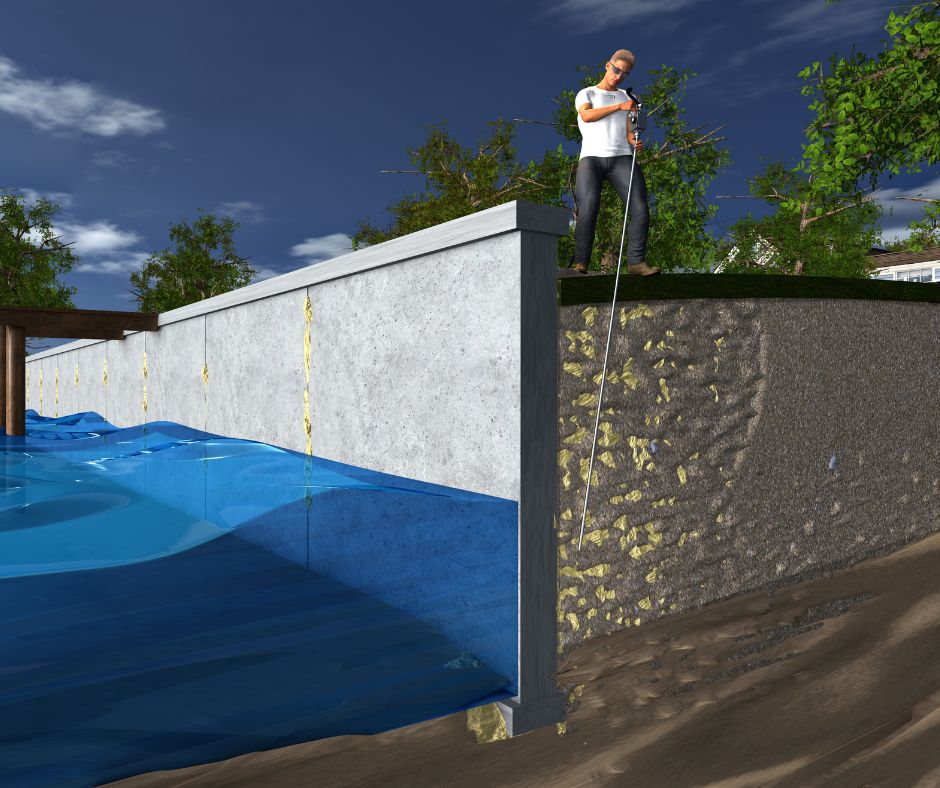
- 1. Grout Injection: Single component polyurethanes can be used for grout injection into voids and gaps behind seawalls. When injected, the polyurethane foam expands, displacing water and filling the void. As it cures, it solidifies and binds loose soil, increasing the stability of the backfill material.
- 2. Soil Reinforcement: These materials are also effective in reinforcing the soil structure behind the seawall. The foam can penetrate the surrounding soil, creating a stable matrix that resists erosion and slumping.
- 3. Increased Load-Bearing Capacity: By stabilizing the soil and preventing further erosion, single component polyurethanes can increase the load-bearing capacity of the seawall, helping it withstand the forces exerted by waves and tides.
- 1. Waterproof Barrier: Single component polyurethanes are excellent at forming a waterproof barrier. Once cured, they seal cracks and crevices in the seawall, preventing water seepage. This, in turn, reduces the potential for soil erosion and further void formation.
- 2. Longevity: The durability of polyurethane materials ensures long-lasting protection. They resist degradation due to UV exposure, chemical exposure, and water, making them a reliable choice for sealing seawalls against future erosion.
- 3. Flexibility: Polyurethane materials are flexible, which allows them to adapt to the dynamic forces that seawalls experience. This flexibility prevents cracking and ensures continued protection even during severe weather events.
It’s essential to consider the environmental impact of using single component polyurethanes. While these materials offer several benefits, they should be used in an environmentally responsible manner. To minimize environmental concerns:
- 1. Select Environmentally Friendly Formulations: Choose polyurethane products that are designed to be environmentally friendly, with low volatile organic compound (VOC) emissions.
- 2. Proper Application: Ensure that the application of polyurethanes is carefully controlled to minimize the risk of spills or leaks. Use containment measures if necessary.
- 3. Environmental Assessments: Conduct environmental assessments to understand the potential impact of using polyurethanes in the specific coastal ecosystem.
In summary, single component polyurethanes offer a practical solution for stabilizing soil and sealing seawalls against future erosion. These materials can be a valuable part of a comprehensive strategy to address voids and enhance the longevity and effectiveness of seawall structures. However, it’s crucial to approach their use responsibly, considering both the structural needs of the seawall and the potential impact on the surrounding environment.
INTRODUCTION OF
How Seawall Foam Repair Works
Seawall Foam Repair is a fast and cost-effective method for stabilizing and compacting loose soils, filling voids, and sealing cracks and separated joints. The process is an excellent solution for seawall restoration and avoiding replacement.
Process
The application of polyurethane chemical grout injection involves several key steps:
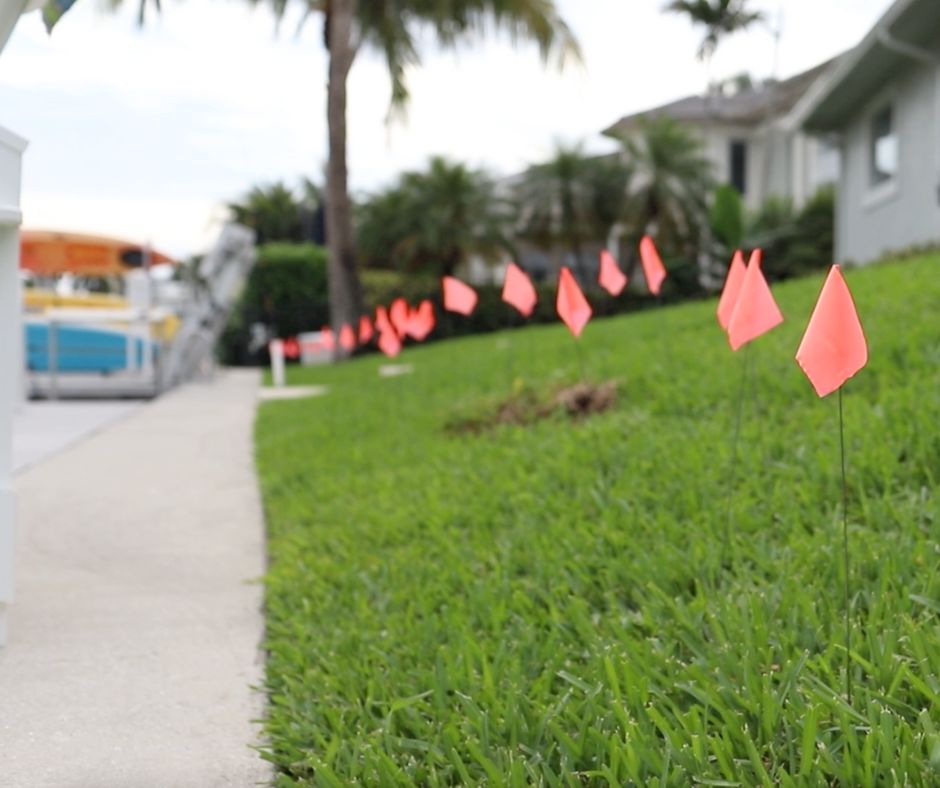
- 1. Site Assessment: We assess the condition of the seawall bulkhead and the underlying soil to determine the extent of the damage and the required grout injection. This is done through visual inspection, probes to determine weak soil locations, and flagging for treatment.
- 2. Injection: at the week soil points, we insert a rod that is long enough to reach the base of the seawall and then we inject the polyurethane from bottom to top, to ensure we saturate the entire soil layer.
- 3. Curing: The injected grout material cures rapidly, creating a strong, stable, and water-resistant barrier within the soil.
- 1. Enhanced Resilience: Stabilized soil can better withstand soil erosion and degradation, increasing the longevity and effectiveness of seawall bulkheads.
- 2.Minimal Disruption: The non-invasive nature of grout injection minimizes disruptions to the surrounding environment and allows for efficient repairs.
- 3. Cost-Effective: Repairing and reinforcing seawall bulkheads using polyurethane grout can be more cost-effective compared to traditional methods that involve extensive excavation.
- 4. Versatility: Polyurethane grout injection can be used to address a variety of soil stabilization needs in coastal infrastructure, making it a versatile solution.

Let's Get Your Structure Back on Solid Ground
We get it Florida can get a little strange and so can its soils! We are no stranger to these soil oddities and so we focus on repairing them without excavation and with minimal interruption to your property.
Cost-Effective
Since our solution requires no excavation, our labor costs and project timeline are significantly reduced and that dramatically benefits your pocketbook! Additionally we’ll help you avoid replacement, which is a big cost savings!
No Excavation
Our polymer foam seawall repair process requires no excavation which saves your property from the damage caused by heavy machinery and trenching.
Environmentally Safe
Our products do not harm the environment making sure the areas around your property are not contaminated or have long term environmental concerns.
Avoid Replacement
Our polyurethane injection process will rehabilitate your seawall by restoring soil strength, filling voids, sealing wall cracks, and separated joints. The process can be used on seawalls and bulkheads of all material types including concrete, wood, vinyl, or steel.
Minimally Invasive to your Schedule
Since our project completion times can be finished typically within 1-2 days, and we do not have to excavate, we will cause minimal disruption to your schedule, property, and lives.